The post Lula - from poverty to power appeared first on David Nicholson.
]]>Early on in his life, Lula’s father moved south to a suburb of São Paulo, where he worked on the docks. His mother eventually followed him, only to find that he had started another family with one of her cousins. An arrangement where the two families lived close together continued for some years until Lula’s mother Lindu tired of the situation and moved away.
By the age of 11, Lula was living with his single mother and some of his siblings, selling peanuts on the streets and mixing with the workers. As a child, Lula did a succession of low-paid jobs: shining shoes, working for a dry-cleaning shop and then in a factory that made screws. It was here that he took part in the national industrial training programme which provided him with the education to raise his prospects up from the very modest expectations of his friends and relations.
In the two-year course, Lula was trained to operate a lathe and trained in factory technology. Although this was not a university education, it was a tough course to enter and his family were proud of his achievements. During this time, Lula also became fond of playing football and swimming in the lakes around the district of Vila Carioca, where the factory was located.
At the age of 19, Lula was operating a heavy machine in a car parts factory when a press broke and fell onto his little finger, crushing it. This agonising experience – and the fact that he had to run between several hospitals before he received attention – helped to convince him to enter politics, to improve conditions for workers.
In 1975, at the age of 30, Lula was elected president of the Steel Workers’ Union of São Bernardo do Campo and Diadema, home of the largest concentration of carmaking companies in Brazil. Yet after organising an illegal strike, Lula was jailed for a month, something that was both a hindrance and a blessing to him in later years: his political opponents would try to paint him as a criminal, while his supporters viewed him as a hero who had undergone great hardship on their behalf.
In 1980, Lula joined a group of academics, intellectuals and fellow union leaders to form the Partido dos Trabalhored (PT) – the Workers’ Party – to oppose the policies of the then military government. He won a seat in Congress in 1986, before entering the race for president in 1989 – the first democratic presidential elections in Brazil since 1960.
This was the first of three presidential elections that Lula would contest and lose, first to Fernando Collor de Mello (1989), then to Fernando Henrique Cardoso in 1994 and 1998. In each of these elections, Lula had promised the electorate that he would enact immediate land reform and would renegotiate the country’s external debt.
Lula also had a distinct personal style, dressing in informal clothes such as Che Guevara tee shirts. In 1985 he admitted to a journalist that he was in favour of an ‘armed struggle’ to gain power, if democratic means failed. This helped to contribute to a sense among the country’s educated elite that Lula could be a dangerous person to have in power: his lack of formal education, his upbringing in poverty, his record of organising industrial unrest and his prison sentence all added up to a difficult combination for a presidential hopeful. But still he remained optimistic that he could overcome the doubters.
Besides overcoming his own disadvantages, Lula had to deal with the history of the military dictatorship, which had ruled for more than 20 years and had an ingrained resistance to true democracy.
In the ensuing years, Lula had to walk a tightrope between various different parties, taking care to remain faithful to the workers who had put him into Congress, without alienating his fellow Congress members too far. He was a hard-working Congressman, attending 95 per cent of the votes during his time in office and voting in favour of legalisation of abortion (despite his close links with the Catholic Church), for limits on private property, for a voting age of 16 and for the legalisation of a gambling game that was popular in poorer districts.
Then there were the attacks from his political opponents. Not only did they point to his lack of education, but in the 1989 election his opponent Fernando Collor spread rumours about his illegitimate daughter Lurian, who was 15 years old, and claimed that Lula would confiscate people’s savings accounts. Lula certainly wanted to push through land reform and to cancel Brazil’s external debt, but Collor made his attack more personal and harmful, in pursuit of the presidency. (Eventually, Collor resigned the presidency under suspicion of fraudulent behaviour).
In 2002 Lula contested the presidential elections for the fourth time. On this occasion, he dressed smartly and had changed his platform on external debt to be more business-friendly. He was victorious and embarked on a presidential term of office that would mark a dramatic change in the direction of Brazilian politics, history, standard of living and economic performance.
“Historically, this event meant that an ordinary man, with no university degree, a son of Brazil (not a child of the elite), won the presidency,” says Brazilian journalist Daniella Borges. “Even wealthier people felt represented. So in January 2003 the country was in a party mood, there was a climate of joy, of freedom. People were happy.”
Contact David Nicholson at dn@freelancejournalist.co.uk, tel 07802 834477 or read more articles at www.freelancejournalist.co.uk
The post Lula - from poverty to power appeared first on David Nicholson.
]]>The post San Francisco - breaking into Alcatraz appeared first on David Nicholson.
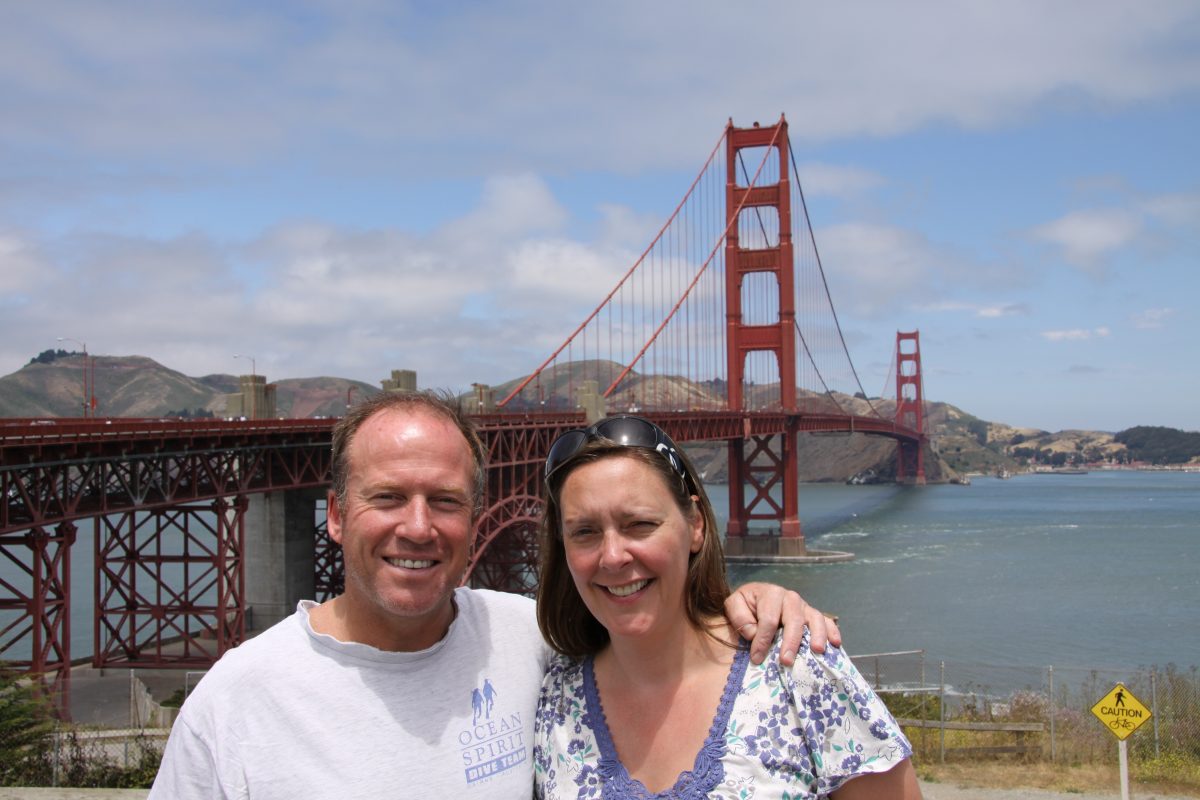
]]>It was a tougher assignment than I’d anticipated. Three bullish sales agents took turns persuading us to sign up, sometimes using flattery and sweet-talking, sometimes becoming almost threatening. It was a good-cop bad-cop routine, aimed at lowering out defences.
We held out, repeating “We need more time to think about it” as a suspect might say “no comment” until they finally gave in. We could break in to Alcatraz!
It was a magical, surreal journey and visit, with a beautifully-curated soundtrack on the headphones you’re given, featuring the words of prisoners, guards, historians, experts, with eerie atmospherics. The place itself looked superbly ominous and almost sentient, a giant ship made of granite, sailing towards freedom.
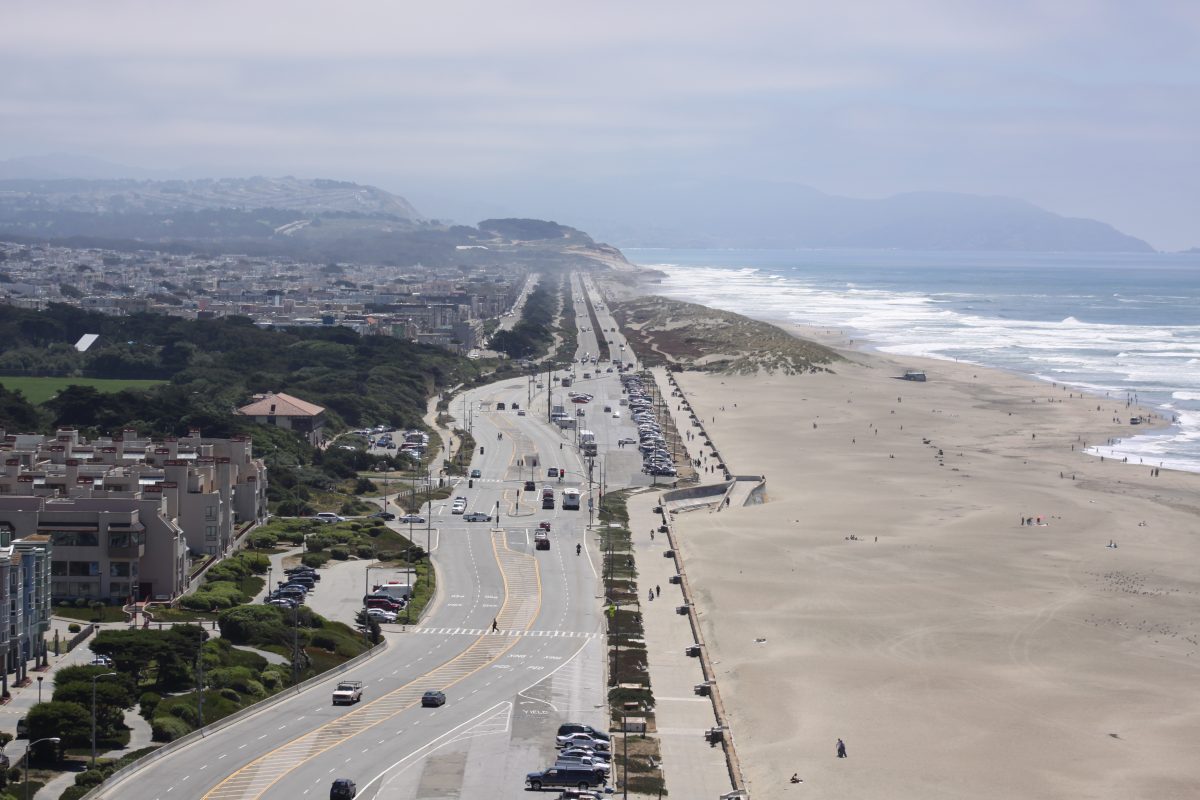
The experience stayed in our hearts for days afterwards, as we wandered through this intoxicating city.
The post San Francisco - breaking into Alcatraz appeared first on David Nicholson.
]]>The post Morocco - interviewing Richard Harris in Ouarzazate appeared first on David Nicholson.
]]>So when I suggested interviewing the actor Richard Harris in Morocco, where he was playing the title role in a biblical epic Abraham, they said ‘Sure.’ I paid a visit to the cash office in Wapping to pocket a few hundred quid in expenses and booked my flights.
Harris was holed up in Ouarzazate, on the cusp of the Sahara, at a film studio. Outdoor scenes could double for the Middle East: Outside the small town there were barely any signs of human life.
I hired a car and driver in Marrakesh and we set off through the Atlas Mountains, his ancient vehicle creaking up the hills. The wrecks of cars and trucks littered the roadsides, which was ominous.
At the film studio there was drama straight away. Maximilian Schell, playing Pharaoh, stormed off set and drove away in a cloud of dust. The producers had asked him to shave his chest to look like the smooth-skinned hieroglyph images and he refused.
Back at his hotel, Richard Harris treated me to an hour and a half of reminiscence, philosophy, industry gossip and sports chat. He had the most extensive collection of pills and potions I’ve ever seen, warding off heart conditions, high blood pressure and goodness knows what else. Despite decades of celebrity, he was remarkably open and engaging. I really enjoyed his company.
When I cheekily quoted Steven Berkoff writing about hellraising actors who give up drink (as he had) and then boast about it “as though they’ve climbed Everest”, he let loose a furious volley of invective, making me concerned that I’d provoke some medical emergency. But he eventually calmed down and returned to his anecdotes.
The next day, my driver kept chivvying me to leave and go back to Marrakesh. “What’s the hurry?” I asked, since I was paying him for the whole day and it was still morning. He wouldn’t say, but was insistent, so we set off.
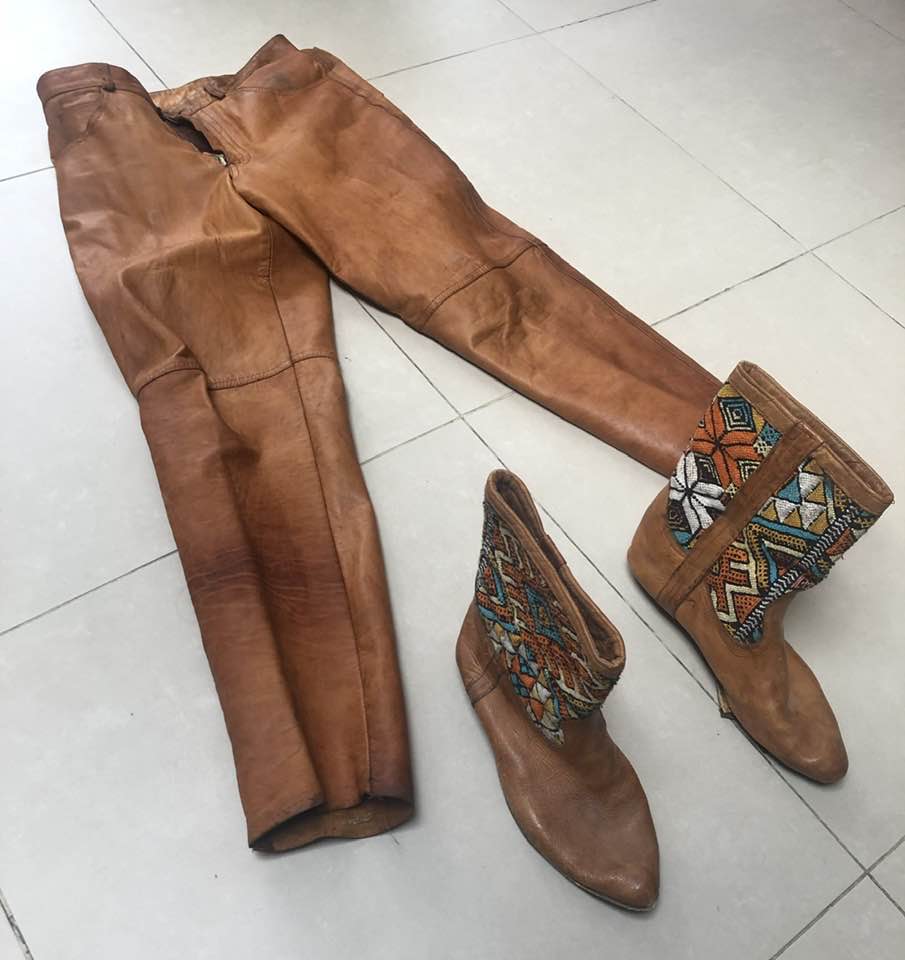
It turned out that his car had no lights, so he needed to get back before dark, or else we’d be adding to the roadside wrecks. We made it just in time and I set off into the souk to spend my expenses money on some leather trousers and cowboy boots.
The post Morocco - interviewing Richard Harris in Ouarzazate appeared first on David Nicholson.
]]>The post Norway - Extreme dining on a glacier appeared first on David Nicholson.
]]>Because we were the privileged guests of Paul & K, also known as Paul Rhodes and Kjartan Kjetland, gourmet chefs boasting Michelin stars and stints at some of the world’s fanciest diners - Chez Nico in Park Lane, Raffles Hotel in Singapore… And why had they invited us? Because they want the world to wake up to extreme dining, where individuals or groups can hire them to cook up a storm in the middle of nowhere, or indeed the middle of somewhere.
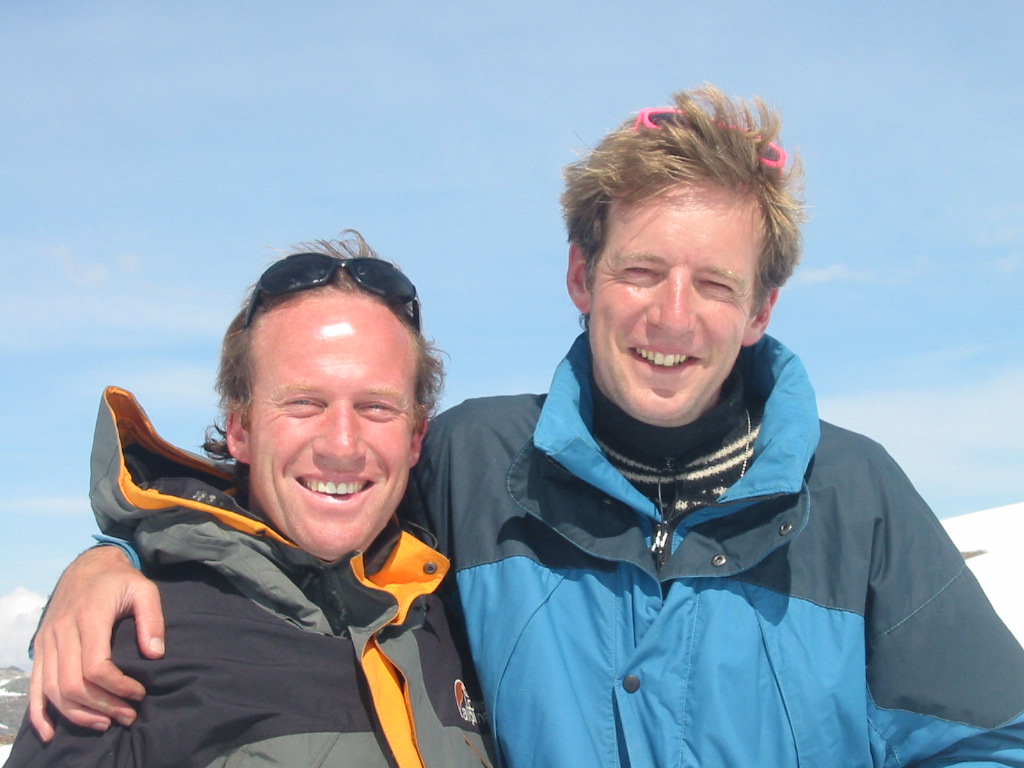
It was a scene from a French surrealist movie: the two of them dressed in their full chefs’ getup, tall hats and all. They had constructed a dining area in the snow, complete with a white table-clothed central table. Below us lay a giant fjord, glinting in the sunlight. We were all kitted out in ski gear, having spent the previous couple of hours zipping down the Folgefonn glacier and being towed back up by a caterpillar snow truck, and now we were getting gently sizzled in the dazzling light of a Norwegian afternoon. We couldn’t believe our luck!
It did seem quite a long way to come for a bit of grub, but that’s the idea. Paul & K offer to russle up their five star menus on a Serengeti hilltop, a hot air balloon or a Caribbean beach. Just say the word and the foie gras will be put on ice and the venison steaks will slip into the travel bag.
Even for those who have visited Norway, this was pretty far off the beaten track. We flew into Haugesund, a pretty fishing town on the west coast, with colourful wooden houses and a scattering of cosy, attractive bars and restaurants. Among them is Paul & K’s Sixth Floor, a restaurant in the centre of town with a high, wooden-beamed ceiling and an air of class, to accompany the culinary delights. It’s a converted sea loft with great views over the harbour.
Returning from the glacier, we were served soup of Jerusalem artichoke with fried mushrooms and truffle oil, grilled scallops with a fennel puree with saffron and a soy beurre noisette, crispy pollock with tagliatelle of courgettes and a grapefruit mustard sauce, breast of roast duck salsafis, French beans and Arabica sauce, finishing up with almond crumble with mascarpone and strawberries, ginger ice cream and fried strawberry with balsamic vinegar syrup. Quite a mouthful.
One of the bonuses of the experience is being able to quiz the chefs on their recipes and get some inside information on how they work. Who exactly thought of putting grapefruit mustard on a fish dish? What kind of strawberries are best for frying? It was a bewitching cascade of flavours and textures. Yet both Paul & K have a refreshingly straightforward attitude to fine dining. There’s no great mystery, you just chose fresh, flavoursome ingredients and pay an extraordinary amount of attention to detail: “Every carrot, every baby onion has to be exactly the right colour,” says Paul of his time as executive head chef of the Nico chain, where he won his Michelin stars.
All the more tricky on the top of a mountain, of course. It was a marvelous experience, being waited on as we sat on rugs on the snow. It made us giggle, the outlandishness of it, the hedonism and beauty, the superabundance of rich, exquisite foods, the heady thrill of being so high up in the world, gazing at an ice-carved landscape where the summer sun never sets.
On the way back we visited a viking camp and sat in a large barn shaped like an up-turned longboat – which is how these barns were originally built – snuggled up on animal hides, looking at the central fire, the only form of light and heat in the building. It was quite dreamy. You did get a feeling of time travel, with all modern materials and conveniences melting away as the shadows played on the dark wooden walls.
We were served a Viking meal: shank of wild lamb, root vegetables, mashed potatoes and rosemary jus. The meal came on a flat block of wood, which meant the jus tended to dribble on to the table, but then Vikings aren’t renowned for their fastidious table manners. For dessert came a heap of fresh berries on a ‘pain perdu brioche’ and vanilla ice cream. This too leaked onto the table.
A final visit was to the town of Skudesneshavn, another coastal town with narrow cobbled streets and cute wooden houses. Once again we swam in the sea, me and a another journalist who stripped to her bra and knickers before diving into the choppy harbour waters. We pushed across to the opposite harbour wall like seals.
The food was consistently fantastic: on the first night we had a traditional lamb stew called Farikål, served in cabbage with black peppercorns and boiled potatoes, which was a treat. The fish we had, including poached cod and pollock, was moist and aromatic.
Then for dessert we had Queen Maud pudding, unique to Haugesund, which is a bavaroise confection of cream and egg mix laid in layers with grated chocolate in between. In the land of Ibsen, there is nevertheless a taste for luxurious food. (Queen Maud, by the way, was English: she was Queen Victoria’s granddaughter and married her first cousin Prince Charles of Denmark, who became King Hakkon II of Norway in 1905 when the country became independent. She was a weak and sickly woman, so maybe this cake cheered her up).
Altogether, this was a very special and memorable trip which I’d recommend to anyone looking for a quirky long weekend in a place which your friends will never have heard of, which is untouched by mass tourism, which gives you clean air, striking views, pleasant, welcoming people, and – if you manage to get hold of Paul & K – some of the best gourmet dining you’ll ever experience.
The post Norway - Extreme dining on a glacier appeared first on David Nicholson.
]]>The post Colombia - Not getting mugged in Bogotá appeared first on David Nicholson.
]]>Although things have improved since then, Bogotá remains a hotbed of ill behaviour according to the British government. “British nationals have been robbed at gun point in the Candelaria district,” it says. People are routinely drugged, kidnapped and raped: “Take care on city streets if you are on your own."
Undeterred, I set off into the heart of the city one afternoon, dressed in a suit, carrying an expensive camera, mobile phone in hand. What could go wrong?
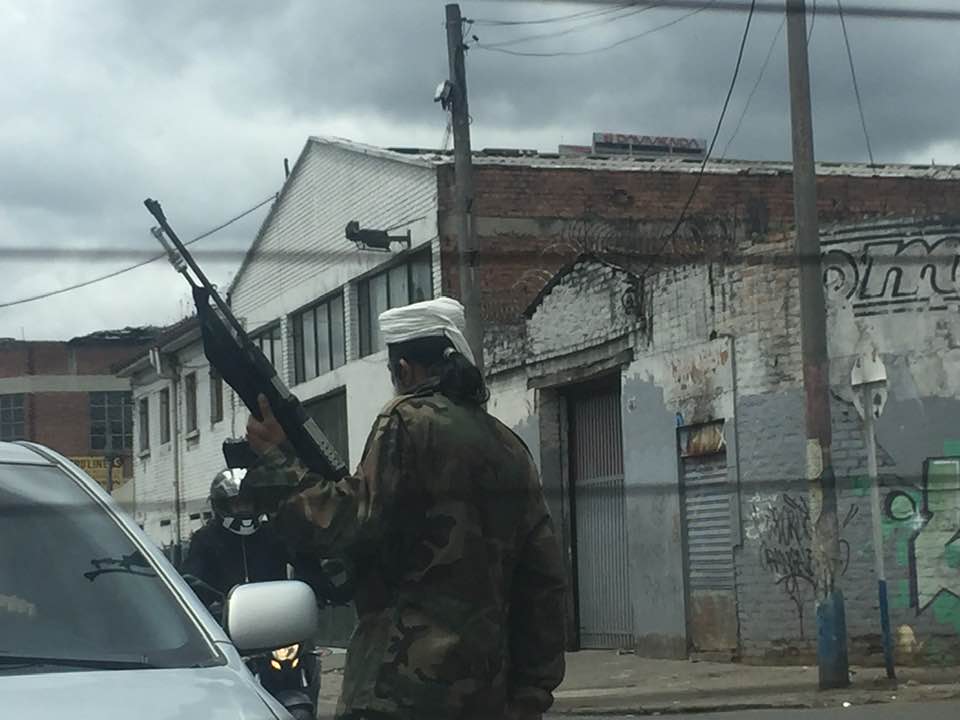
Fortunately, nothing. I walked through busy, pleasant, attractive squares, ate a gourmet lunch at a refined, white-linen restaurant, then walked uphill for a few miles in search of views. The weirdest thing I saw was a man dressed as Osama bin Laden carrying a (fake?) machine gun and heckling drivers through their car windows.
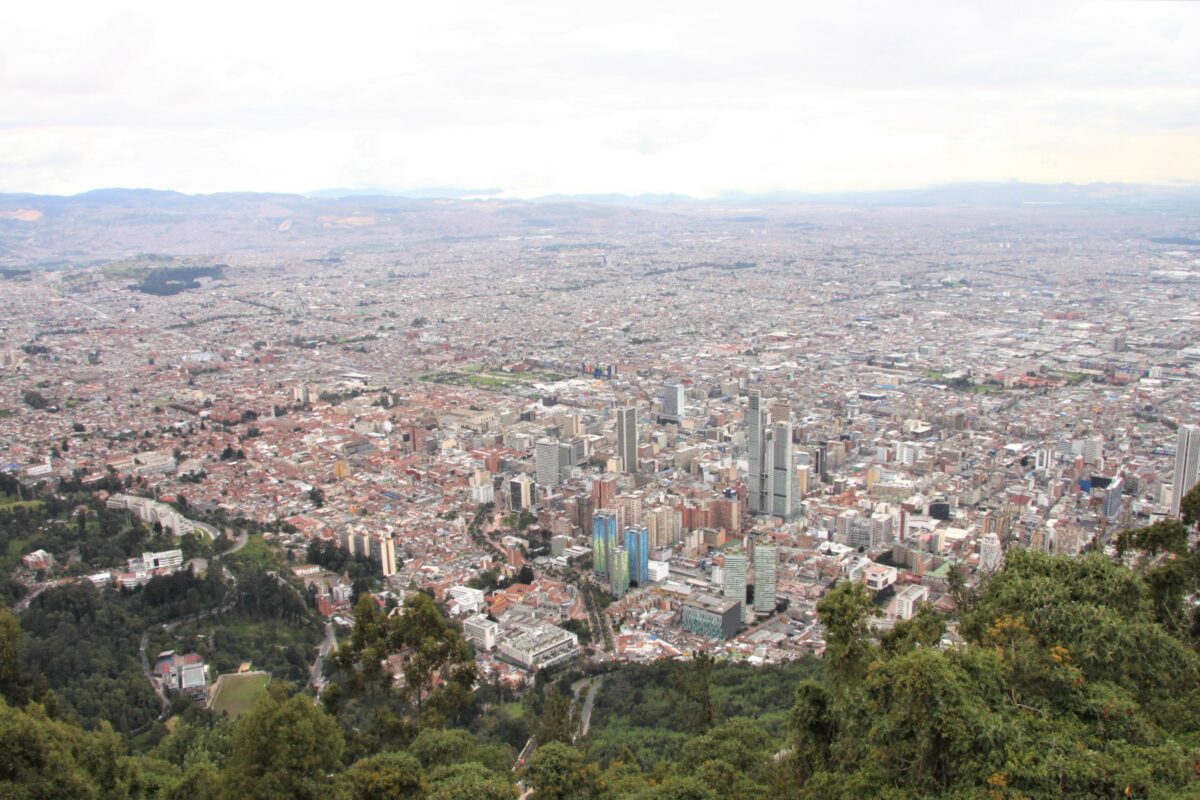
Eventually, I found a cable car to whisk me up to Monseratte monastery, where the city spread beneath its walls as far as the eye could see. To my left was an attractive, brightly-painted barrio tumbling down the hillside. This, I later discovered, was the famous Candelaria district.
Stalls next to the monastery sold tee shirts, baseball caps and keyrings bearing the image of notorious drug baron Pablo Escobar (1949-1993), much as you’d see Maradona in Argentina or Mandela in South Africa. The high price of these was about as criminal as it got.
The post Colombia - Not getting mugged in Bogotá appeared first on David Nicholson.
]]>The post China - Extorted in Beijing appeared first on David Nicholson.
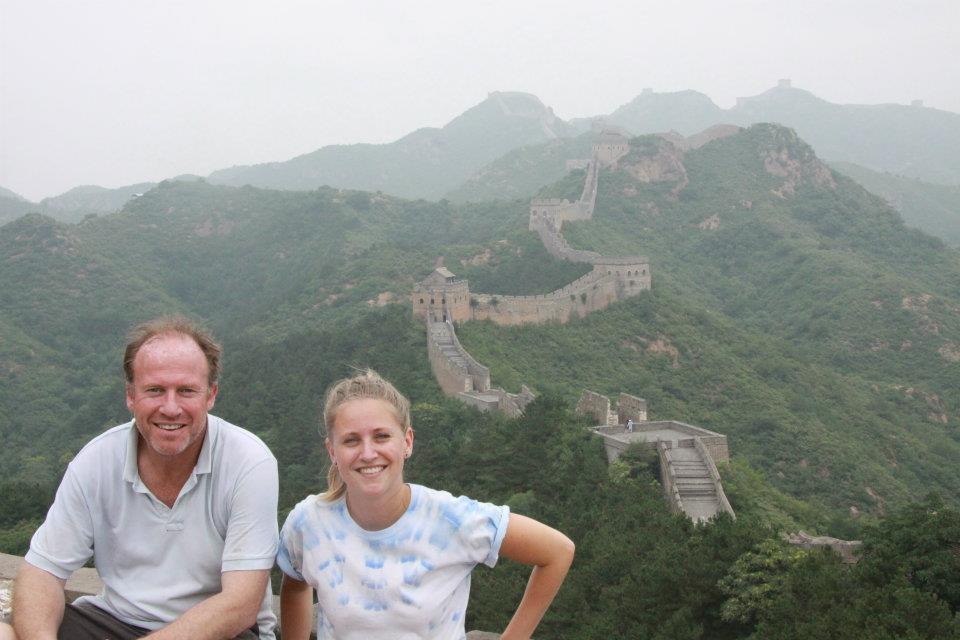
]]>We stayed in a friendly hostel in the centre of town, ate fabulous food with Martha’s many international friends, walked a section of the Great Wall, visited the Forbidden City and the Summer Palace and strolled through Tiananmen Square.
It was a stress-free, enchanting introduction to one of the world’s great cities. Martha spoke excellent Chinese and navigated this giant metropolis with ease and speed.
One day, she arranged to see a friend and we agreed to meet a couple of hours later. I felt that, with a few days’ experience of Beijing, I could get around OK by myself.
Big mistake!
Within minutes of leaving Martha, I’d agreed to get on the back of a motorised tricycle for a ride to a metro station for $2. Instead, the driver zoomed off in a different direction, going so fast I couldn’t get off. After a few minutes haring through side streets, he turned down a small alley, stopped his trike and demanded $20. I got off, but there was nowhere to run, no-one to help me – and he was clearly threatening violence unless I paid.
Extorted, left in a strange, isolated alley, I somehow had to find my way back to the safety and security of my daughter. We stuck together after that.
The post China - Extorted in Beijing appeared first on David Nicholson.
]]>The post Japan - with Geoff Hurst and Roger Moore appeared first on David Nicholson.
]]>Sir Geoff was friendly, in a jolly mood. He didn’t seem to mind when I asked him if he’d considered becoming a manager. “Actually I managed Chelsea for two years,” he said. This had passed me by, probably because the Blues were in Division Two and he was sacked after taking them to 12th place in 1981.
He was also kind enough not to remark on the colour of my shirt – light blue, basically the same colour as the Argentinian strip – and after dinner we made our way to our seats.
Crowds of England fans came into the stadium, milling around us. One, just ahead, had a replica 1966 shirt with ‘Hurst’ on the back. Sir Geoff took out a pen and started signing his name. Startled, the guy turned around, ready to punch whoever was messing with his precious shirt. Fortunately, he recognised his idol just in time.
David Beckham scored the winning penalty and Sir Geoff and the rest of the England supporters exploded with joy. Maradona’s 1986 ‘hand of God’ and the animus of the Falklands made this a piquant victory.
Later, I chatted with Sir Roger Moore at a drinks reception (so many knights in Japan!) and his wife took this picture.
The post Japan - with Geoff Hurst and Roger Moore appeared first on David Nicholson.
]]>The post Spain - My parents' death appeared first on David Nicholson.
]]>Behind us are our tents: our parents’ to the left, Peter’s and mine to the right.
After walking through forests in the hills outside Vitoria, north-west Spain, on a perfectly sunny summer’s day, we ate supper, said our prayers and slept.
In the night, a massive thunderstorm erupted. Rain soaked our sleeping bags and huge thunderclaps crashed overhead. There were constant flashes of lightning.
When day broke, we waited for our parents but they never came. We called out to them and cried, because it was scary and unknown for them not to wake us.
When we eventually looked into their tent, they were motionless and pale.
We went in search of help and found some road-menders. I took a Spanish-English dictionary and showed them the word ‘dead’ in Spanish: ‘muerto’.
They followed us back to the tents, then looked after us.
* * *
On 11 August 2022, the two of us – with our younger brother Andy who wasn’t in Spain in 1972 – travelled to Bilbao with our wives to visit our parents’ grave. We said a few words to remember them and say how much we have missed them.
It was a sombre moment. Our father John would have been 86 and Dorothy 84.
Even after all these years, we still feel their love and the care they took of us.
The post Spain - My parents' death appeared first on David Nicholson.
]]>The post Belgium - mussels from Brussels appeared first on David Nicholson.
]]>What an adventure! This was a flashback to an Arthur Ransome book – We Didn’t Mean to Go to Sea - where the kids from Swallows and Amazons unwittingly cross the channel in their little dingy. Instead, we were in a 16-metre yacht with four berths, a galley and shower room: much swisher.
Katrina was my age and we were close, affectionate, casually attracted. We kissed when nobody was looking. The invitation onto her family boat was unexpected and mildly electrifying. I remember stepping back in amazement when she asked me. Did she want to take things to another stage? Well maybe, but there would be no privacy on this little boat. Her Dad wanted help crewing, so that was the main excitement. A night-time Channel crossing, like Dunkirk without the Nazis.
She and I took a ferry over to Holland to join her father and brother: they’d sailed across a few days earlier. Boarding the yacht was an immediate shock: her father, a quiet, mild mannered farmer on land, became a wild, hard-drinking, sweary pirate on sea. He would light a big cigar before jumping on a windsurfer and rip away across the Dutch lakes, swig tumblers of scotch after supper and curse the government or the media or his least favourite sports teams. He was hysterical and much more fun than back home, the domain of his wife.
His son Chris was also fun and naughty. We would share a joint when safely downwind of his Dad and sister, as the sun set on Ijsselmeer, with the yacht moored for the night.
On Holland’s inland waters, the sailing was gentle, even pedestrian. After each day’s sailing we’d moor at a harbour and chat to other sailors. On two of the nights we shared a meal with another crew, unremarkable except for one of these guys spending both evenings staring at me, his eyes droopy with lust. Disconcerting for me and an outrage to the pirate captain when I quietly pointed it out.
After idling through locks and past windmills for a few days, we headed south to Antwerp before our crossing. That afternoon, we ate at a restaurant by the harbour and I ordered a huge plate of mussels with fries – the Belgian national dish. Chris and his Dad kept well away from them, wary of the upcoming sea voyage. I pressed on regardless, telling them I’d be just fine.
Sure enough, a couple of hours into the trip, as the waves mounted and the yacht pitched, I began to feel queasy. After releasing the mussels I’d eaten back into the North Sea, the captain ordered me back to my bunk. That was the end of my crewing experience and a sobering lesson for future sailing expeditions. No more kisses from Katrina, either.
The post Belgium - mussels from Brussels appeared first on David Nicholson.
]]>The post Slovenia - hanging out with Ziga appeared first on David Nicholson.
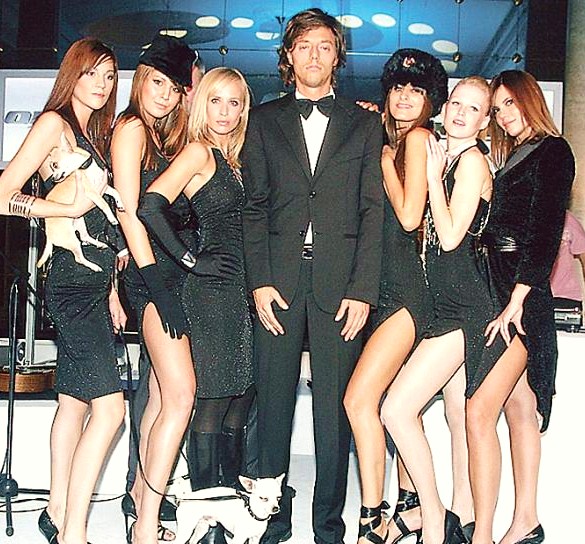
]]>I arranged to meet him and the latest supermodel on the slopes of Kranjska Gora, Slovenia’s smartest ski resort. We sat drinking cappuccinos on a terrace overlooking the pistes, plotting our next adventures and how we’d fund them through our articles, interviewing celebrities and visiting unknown but exquisite locations.
Ziga and I met on a press trip to Switzerland where we stayed in a chalet recently vacated by Duran Duran, costing (if you actually had to pay for it) something like £10,000 a night, including breakfast. He arrived in a Lamborghini.
In Kranjska Gora I was with my sons Remy and Raffy, who were entirely unimpressed by Ziga or the supermodel and instead had a running snowball fight. One snowball landed – plop! – into the beer of a gruff-looking Slovenian man on the next table.
Ziga and the supermodel weren't skiing, so I took Remy and Raffy off to the neighbouring ski domain of Vogel where we went miles off-piste, skidding down a steep wooded valley, almost a cliff, before popping out beneath a lift. We decided on the spur of the moment to sleep in a tiny hut at the top of the mountain, costing about €5 for the night.
It was a Ziga-like escapade, kind of inspired by seeing him again.
The post Slovenia - hanging out with Ziga appeared first on David Nicholson.
]]>