The post Run and triathlon coaching appeared first on David Nicholson.
]]>I am dedicated to helping athletes achieve their goals, whether new PBs, new distances, event qualifications, mastering new skills or simply enjoying sport and staying fit and healthy.
With experience of coaching runners and triathletes across all age groups, I love inspiring people to outperform their expectations. This might be coaching someone to complete their first triathlon or taking them from a casual runner up to a marathon.
In my work as a writer, I specialise in sports psychology and the many lessons we can draw from sport. I think having the right attitude is absolutely critical: wanting to improve, being motivated, seeing obstacles as challenges to be overcome, celebrating other people’s achievements, relishing competition, looking forward to physical tests, taking pleasure in the triathlon journey, setting yourself high standards, treating yourself well and paying attention to what your body is telling you.
This focus on an athlete’s mental and physical wellbeing is central to my coaching philosophy. Triathlon is about training and racing, but most of all it’s about health, in the widest sense of that word.
About me
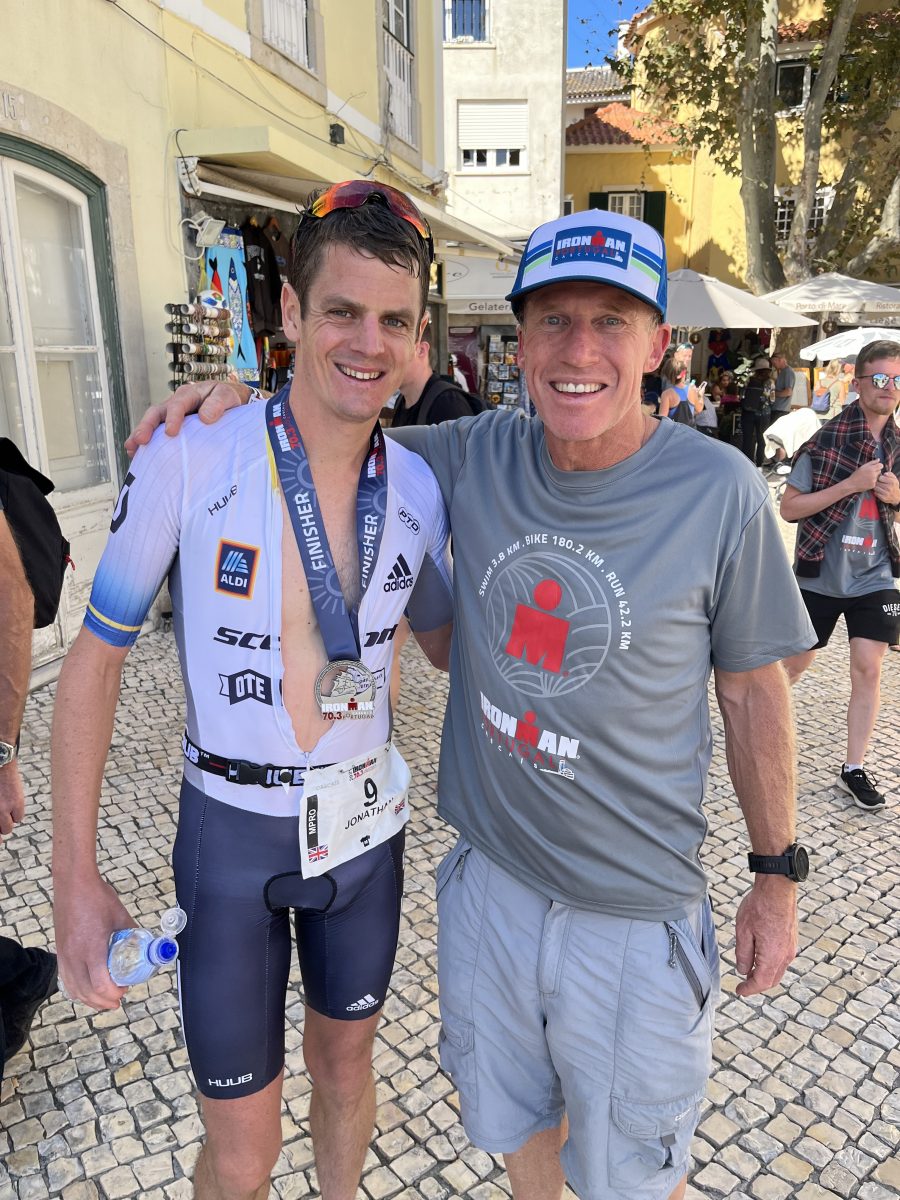
I live in North London surrounded by four parks, three swimming pools and a reservoir, canals and cycleways leading to open countryside. In 2012 I discovered triathlon via the London Olympics and my ex-pro swimmer cousin James Parrack, who organises an annual race at his BEST Swim Training Centre in Mallorca.
After that, triathlon became my greatest passion and pleasure, alongside my day job as a freelance writer and journalist. I have a daughter and three sons who have all raced with me, while wife Clare has become the world’s number one triathlon kit woman, race logistics, transport and accommodation expert, event photographer and nutritionist. Together we have travelled the world to train, race and coach.
Over the years I’ve worked with some of the highest-profile coaches in the world and been part of the Trisutto Group, training alongside professionals like Daniela Ryf. I’ve also trained with Chris McCormack and Lucy Charles-Barclay absorbing lessons from each of them. I love the way that triathlon has such a flat hierarchy: you can meet and train with your heroes, then watch them fly past you on race day! There are few other sports where this is possible.
For London-based runners and triathletes, I can show you the best places to train, the best cycle routes, and the best swim, bike and run events to enter. London might seem a daunting place to be a triathlete, but in fact it’s full of opportunity and unexpected delights. Over the years I have built up a network of athletes and friends of all abilities.
I’m very happy to coach remotely and offer my experience of training and racing in 20 countries on five continents, while studying the latest advances in coaching technology and psychological motivation.
Triathlon is the most exciting and rewarding sporting journey. Get in touch to see how I can help you.
Email dn@davidnicholson.com or call 07802 834477
Links to my sports writing
1. Ten reasons to hire people who run - https://www.linkedin.com/pulse/10-reasons-hire-people-who-run-david-nicholson/
2. What sport has taught me about purposefulness - https://www.antal.com/blog/what-sport-has-taught-me-about-purposefulness
3. Think yourself fast - https://www.antal.com/blog/think-yourself-fast-
4. 5 ways to overcome barriers in sport and business - https://www.antal.com/blog/anything-is-possible-5-ways-to-overcome-barriers-in-sport-and-business
6. Read my race reports - https://davidnicholson.com/sport/
Personal Highlights
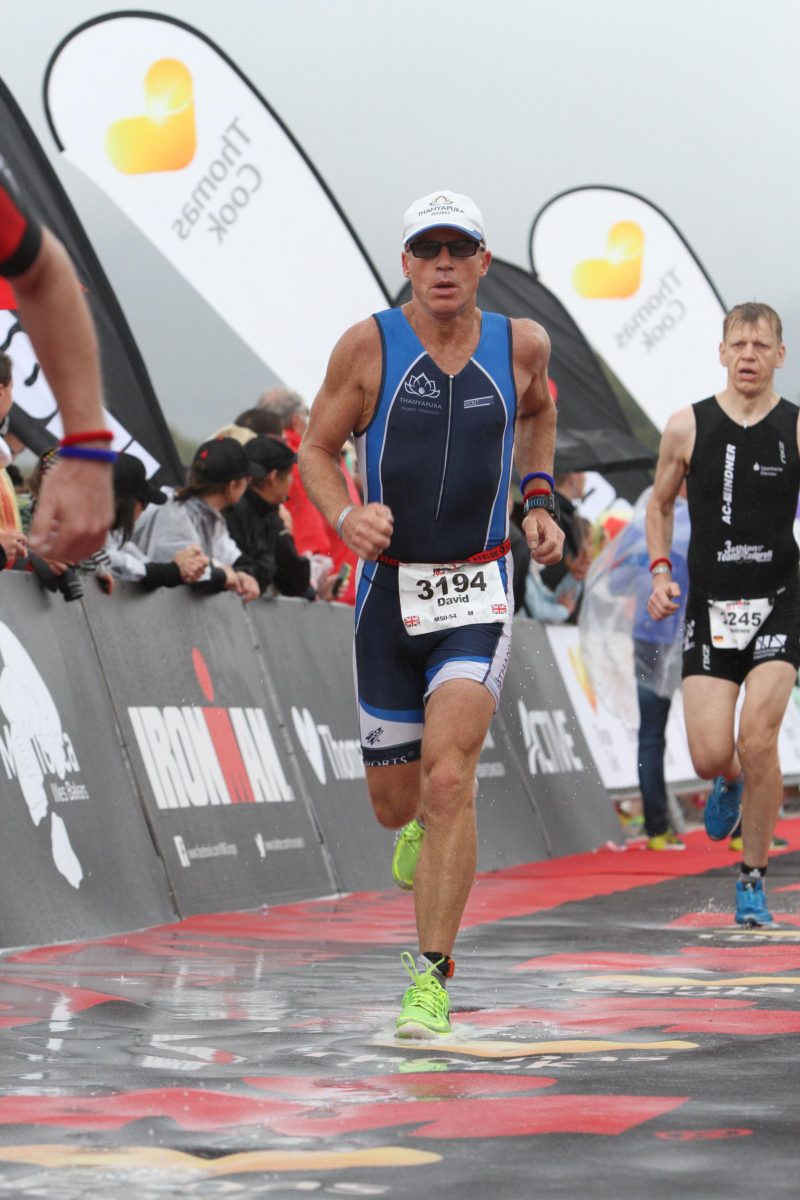
Ironman World Championship competitor 2022
Ironman 70.3 World Championship competitor 2018
Represented Great Britain at European Middle-Distance Championships
10-time Ironman finisher including Lanzarote, Wales, Nice, Cozumel, St George Utah, New Zealand and South Africa
Multiple age Group podiums at Middle Distance races
Top 10 British Age Group-ranked triathlete (out of 1,750)
Completed an ‘Everesting’ in 2020 (cycling the height of Everest in one continuous activity)
Author of ‘Think Like an Athlete: 57 Ways to Achieve Your Life Goals’
Sports motivation journalist for The Wall Street Journal
The post Run and triathlon coaching appeared first on David Nicholson.
]]>The post Lula - from poverty to power appeared first on David Nicholson.
]]>Early on in his life, Lula’s father moved south to a suburb of São Paulo, where he worked on the docks. His mother eventually followed him, only to find that he had started another family with one of her cousins. An arrangement where the two families lived close together continued for some years until Lula’s mother Lindu tired of the situation and moved away.
By the age of 11, Lula was living with his single mother and some of his siblings, selling peanuts on the streets and mixing with the workers. As a child, Lula did a succession of low-paid jobs: shining shoes, working for a dry-cleaning shop and then in a factory that made screws. It was here that he took part in the national industrial training programme which provided him with the education to raise his prospects up from the very modest expectations of his friends and relations.
In the two-year course, Lula was trained to operate a lathe and trained in factory technology. Although this was not a university education, it was a tough course to enter and his family were proud of his achievements. During this time, Lula also became fond of playing football and swimming in the lakes around the district of Vila Carioca, where the factory was located.
At the age of 19, Lula was operating a heavy machine in a car parts factory when a press broke and fell onto his little finger, crushing it. This agonising experience – and the fact that he had to run between several hospitals before he received attention – helped to convince him to enter politics, to improve conditions for workers.
In 1975, at the age of 30, Lula was elected president of the Steel Workers’ Union of São Bernardo do Campo and Diadema, home of the largest concentration of carmaking companies in Brazil. Yet after organising an illegal strike, Lula was jailed for a month, something that was both a hindrance and a blessing to him in later years: his political opponents would try to paint him as a criminal, while his supporters viewed him as a hero who had undergone great hardship on their behalf.
In 1980, Lula joined a group of academics, intellectuals and fellow union leaders to form the Partido dos Trabalhored (PT) – the Workers’ Party – to oppose the policies of the then military government. He won a seat in Congress in 1986, before entering the race for president in 1989 – the first democratic presidential elections in Brazil since 1960.
This was the first of three presidential elections that Lula would contest and lose, first to Fernando Collor de Mello (1989), then to Fernando Henrique Cardoso in 1994 and 1998. In each of these elections, Lula had promised the electorate that he would enact immediate land reform and would renegotiate the country’s external debt.
Lula also had a distinct personal style, dressing in informal clothes such as Che Guevara tee shirts. In 1985 he admitted to a journalist that he was in favour of an ‘armed struggle’ to gain power, if democratic means failed. This helped to contribute to a sense among the country’s educated elite that Lula could be a dangerous person to have in power: his lack of formal education, his upbringing in poverty, his record of organising industrial unrest and his prison sentence all added up to a difficult combination for a presidential hopeful. But still he remained optimistic that he could overcome the doubters.
Besides overcoming his own disadvantages, Lula had to deal with the history of the military dictatorship, which had ruled for more than 20 years and had an ingrained resistance to true democracy.
In the ensuing years, Lula had to walk a tightrope between various different parties, taking care to remain faithful to the workers who had put him into Congress, without alienating his fellow Congress members too far. He was a hard-working Congressman, attending 95 per cent of the votes during his time in office and voting in favour of legalisation of abortion (despite his close links with the Catholic Church), for limits on private property, for a voting age of 16 and for the legalisation of a gambling game that was popular in poorer districts.
Then there were the attacks from his political opponents. Not only did they point to his lack of education, but in the 1989 election his opponent Fernando Collor spread rumours about his illegitimate daughter Lurian, who was 15 years old, and claimed that Lula would confiscate people’s savings accounts. Lula certainly wanted to push through land reform and to cancel Brazil’s external debt, but Collor made his attack more personal and harmful, in pursuit of the presidency. (Eventually, Collor resigned the presidency under suspicion of fraudulent behaviour).
In 2002 Lula contested the presidential elections for the fourth time. On this occasion, he dressed smartly and had changed his platform on external debt to be more business-friendly. He was victorious and embarked on a presidential term of office that would mark a dramatic change in the direction of Brazilian politics, history, standard of living and economic performance.
“Historically, this event meant that an ordinary man, with no university degree, a son of Brazil (not a child of the elite), won the presidency,” says Brazilian journalist Daniella Borges. “Even wealthier people felt represented. So in January 2003 the country was in a party mood, there was a climate of joy, of freedom. People were happy.”
Contact David Nicholson at dn@freelancejournalist.co.uk, tel 07802 834477 or read more articles at www.freelancejournalist.co.uk
The post Lula - from poverty to power appeared first on David Nicholson.
]]>The post Sub-3@60 Project appeared first on David Nicholson.
]]>In 2014 there was only one.
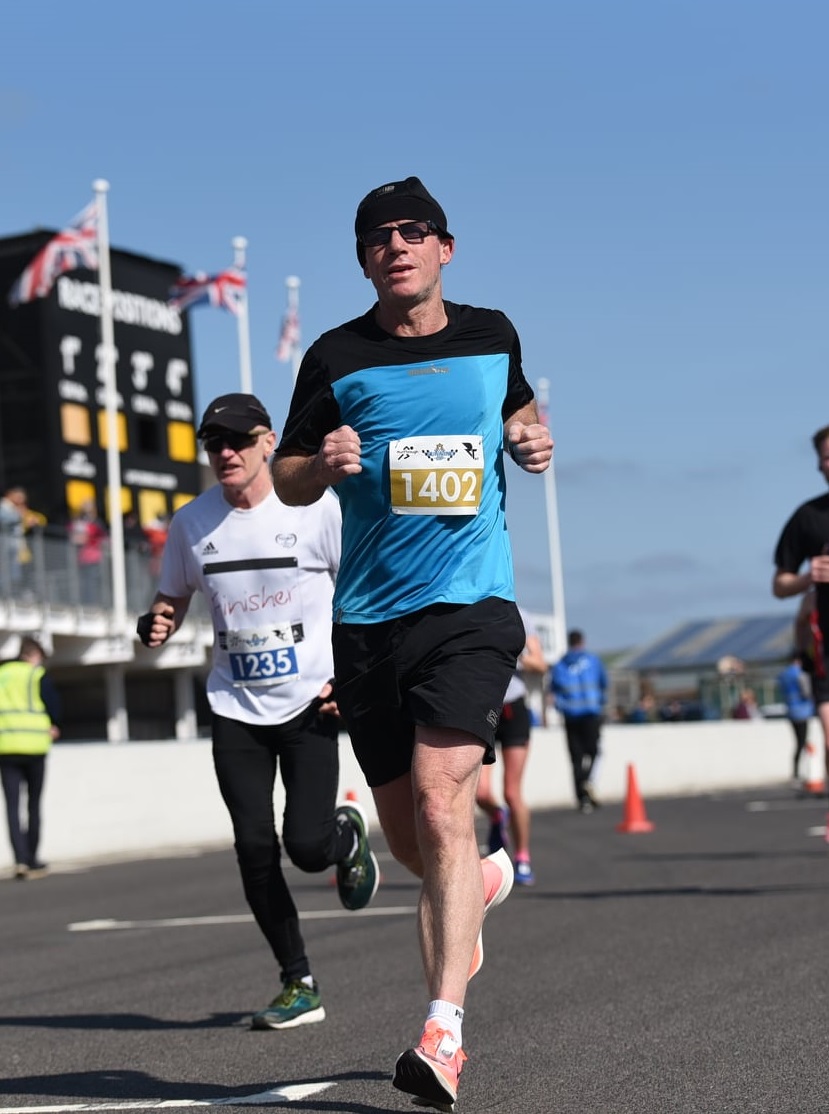
My goal is to join this exclusive group after I turn 60 on 23 July 2023.
It is the most ambitious and audacious target I've ever set myself. But I'm absolutely committed to it and convinced that I can achieve it.
Along the way, I will post regular updates on my progress, on my training sessions, diet, state of motivation, new ideas I've come across, my hopes and fears, triumphs and disasters.
The sub-3@60 Project gives senior runners a chance to swap stories and tips and encourage one another. It is part of the upsurge in enthusiasm for running among this age group, who are increasingly aware of the huge physical and mental health benefits of running, how it sharpens their reflexes and minds, safeguards them against multiple diseases and conditions, helps them to lose weight and stay young.
For sponsors, the Project provides an opportunity to connect with this growing demographic: seniors with disposable income, an active lifestyle, high standards, motivation and drive to achieve new goals.
A sponsorship package includes:
- blogs specifically written for sponsors' websites/social media feeds
- in-person or virtual presentations detailing the sub-3@60 journey and my background competing for Great Britain as an age group triathlete and in Ironman World Championships
- banner advertising on the sub-3@60 website
- inclusion in the sub-3@60 website content
Contact me at dn@davidnicholson.com or 07802 834477 for more details
The post Sub-3@60 Project appeared first on David Nicholson.
]]>The post Challenge Phuket - boiling but beautiful appeared first on David Nicholson.
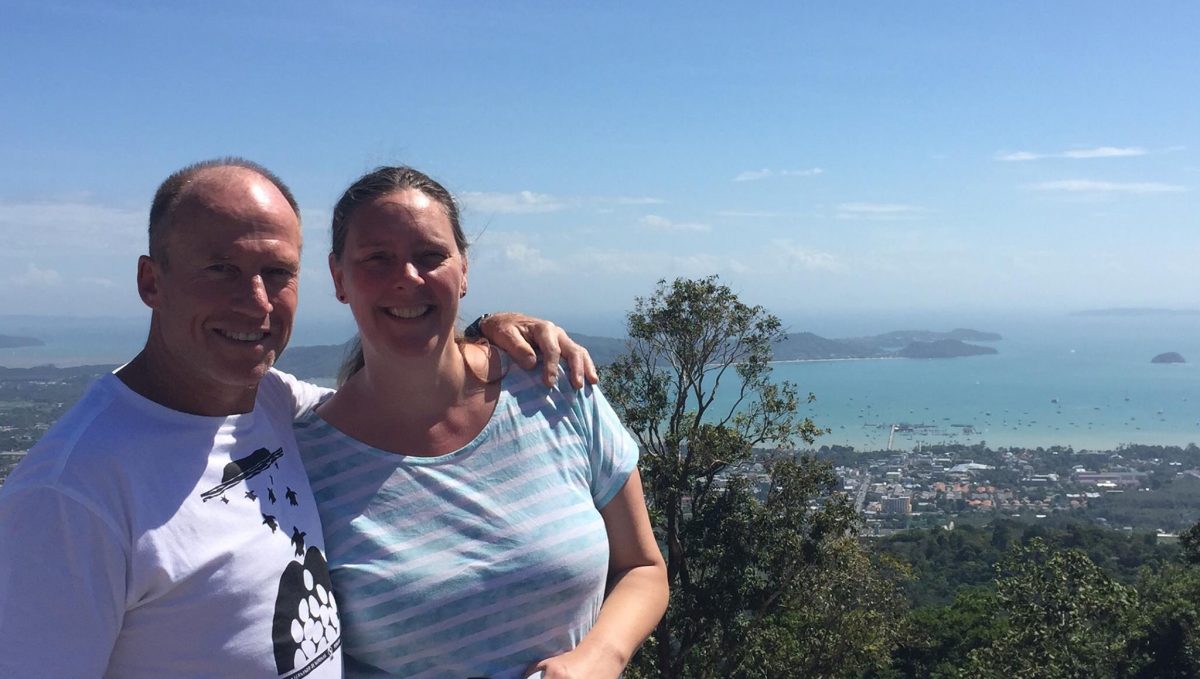
]]>Sports complex Thanyapura sits a few km inland from the sea, bathed in morning mist before the swimmers, cyclists, runners, tennis players and yogis populate its spreading acres, with every facility they could wish for. It's an astonishing place.
We spent two weeks there, training with Australian triathlon champion Chris McCormack and an international bunch of athletes: Norwegians, Qataris, New Zealanders, fellow Brits… Chris would lead us out on bike rides through the rainforest, up the steep hills and through tiny villages, zipping past beaches, racing through paddy fields before coffee and smoothies by the sea.
There were two events: Laguna Phuket triathlon – a shortish race – then Challenge Phuket – a middle distance race with a tough bike course and fiercely hot run.
There's an idiosyncratic quirk to the swim course: you come out of the sea then dive straight into a lagoon for the second part of the race. Suddenly, you feel much heavier in the fresh water, without the buoyancy of the ocean salt.
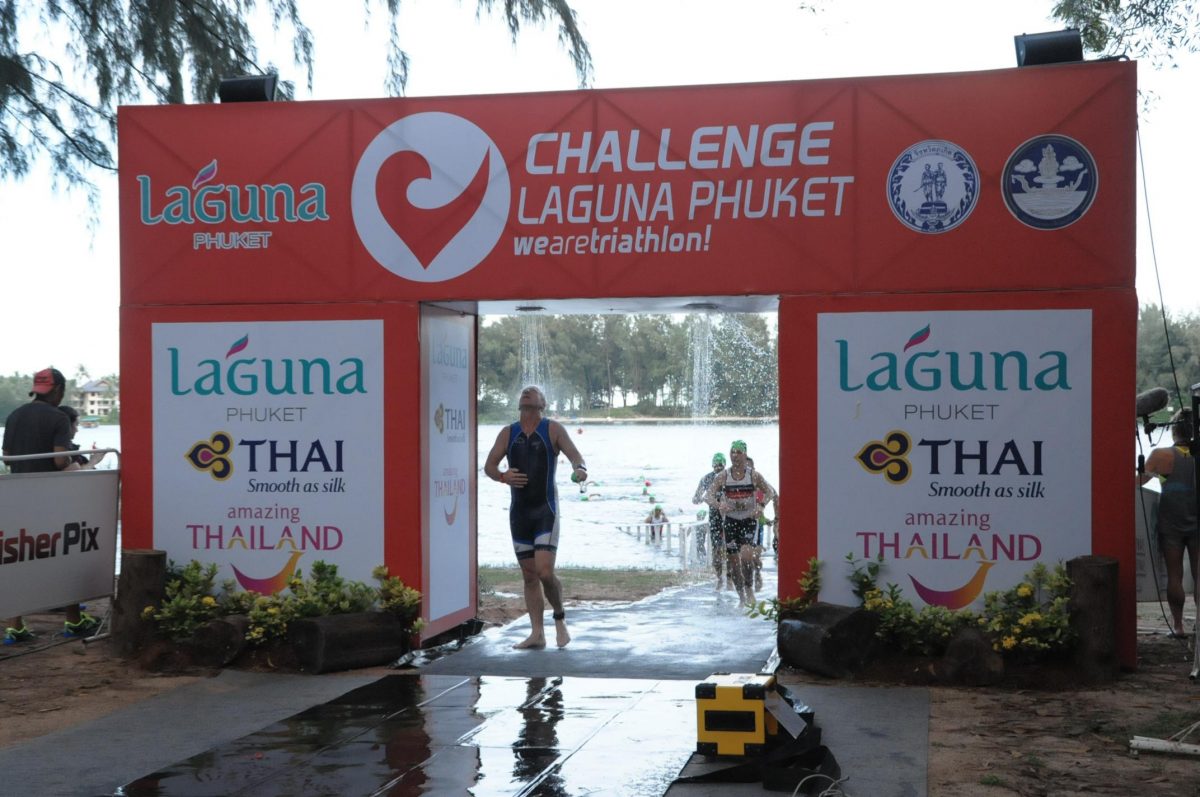
In each race, I swam well, biked very well, then virtually collapsed on the run, staggering home in a muck sweat. But each time I quickly forgot the pain and came home with the loveliest memories of Phuket.
The post Challenge Phuket - boiling but beautiful appeared first on David Nicholson.
]]>The post Sardinia bike tour appeared first on David Nicholson.
]]>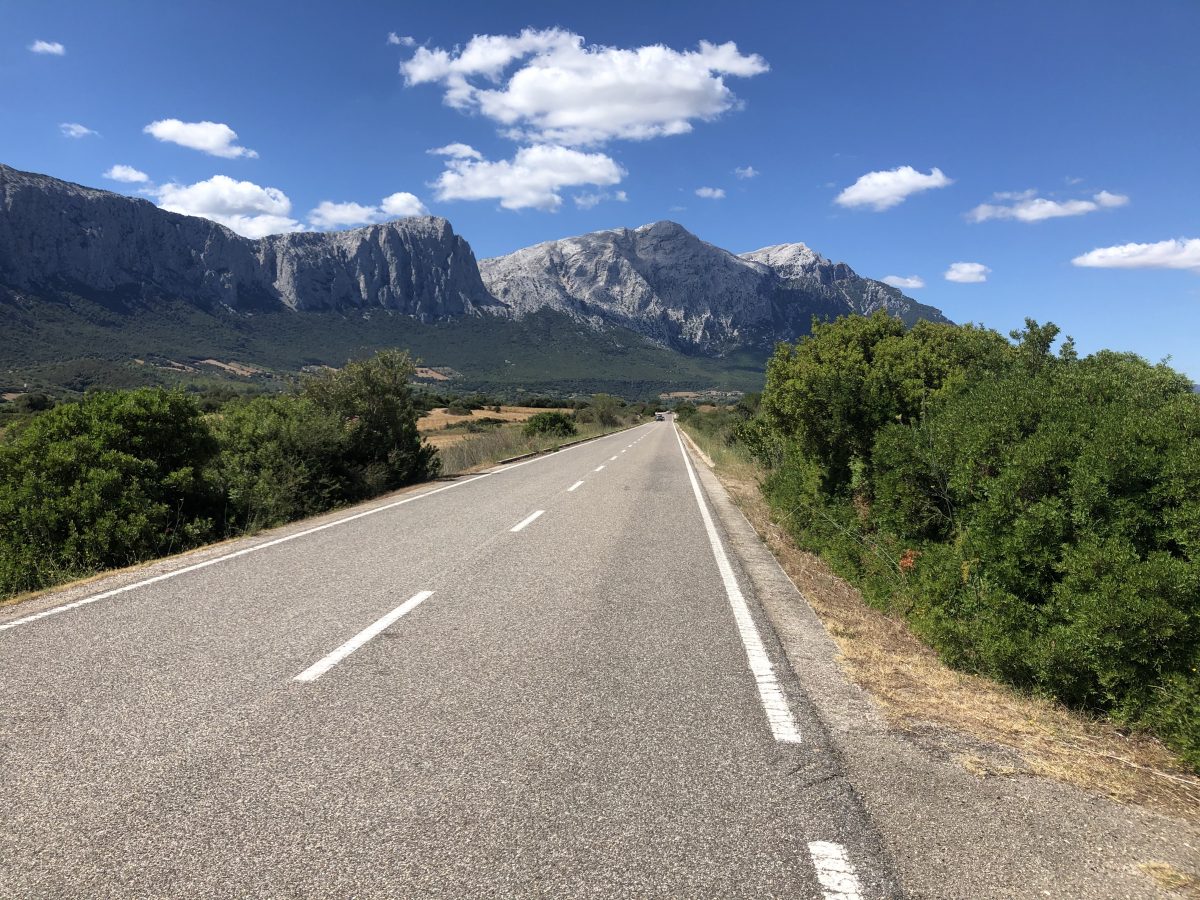
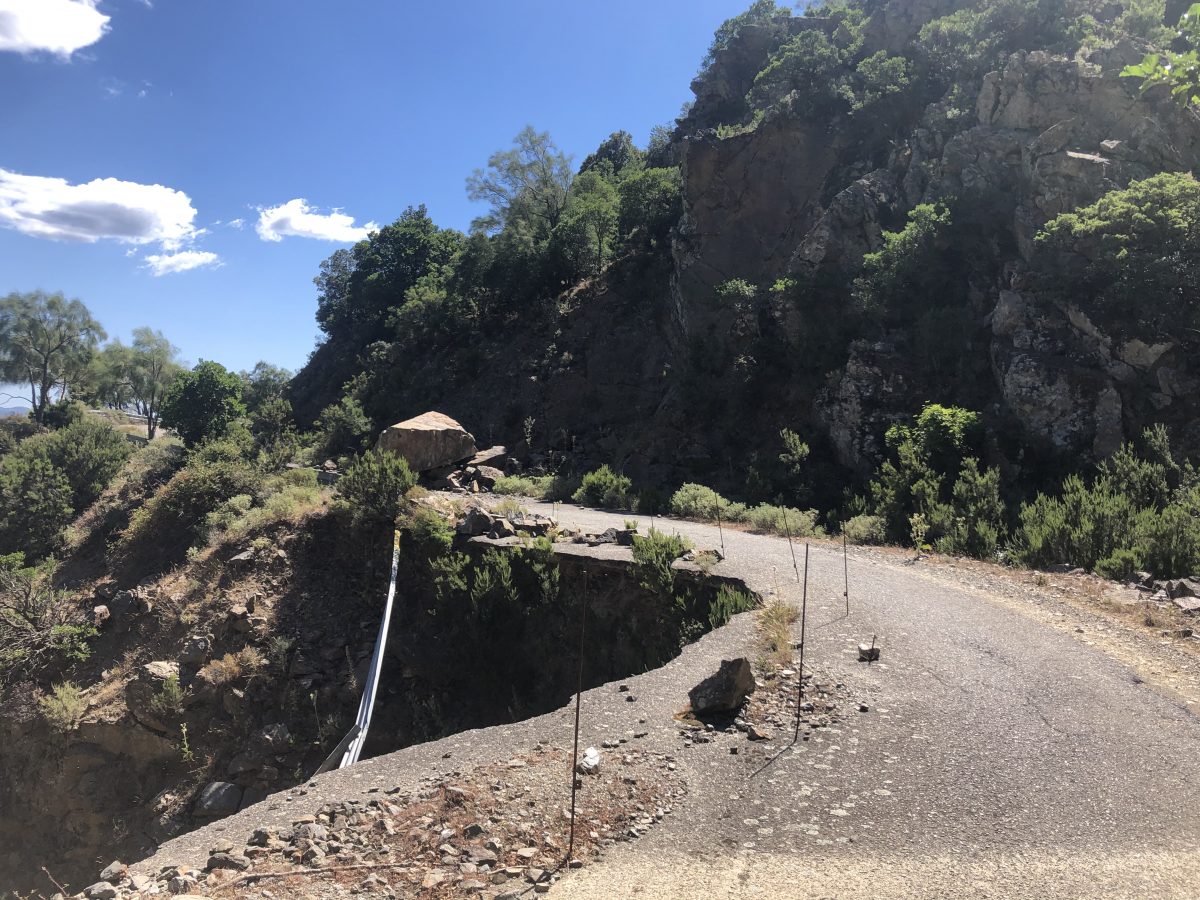
Parco Nazionale del Golfo di Orosei is half-way up the east coast of Sardinia, a mad collection of jagged peaks, sweeping ridges, plunging canyons and dense forests. For a cyclist it’s a challenge and delight: 20km climbs give way to airy plateaux; divert from the main (but very quiet) roads and you’ll not see a car for a dozen miles; ride through woods of fragrant herbs and you’ll emerge up into the cobbled streets of towns like Orgosolo or Urzulei, their walls bedecked with murals of struggle and nobility.
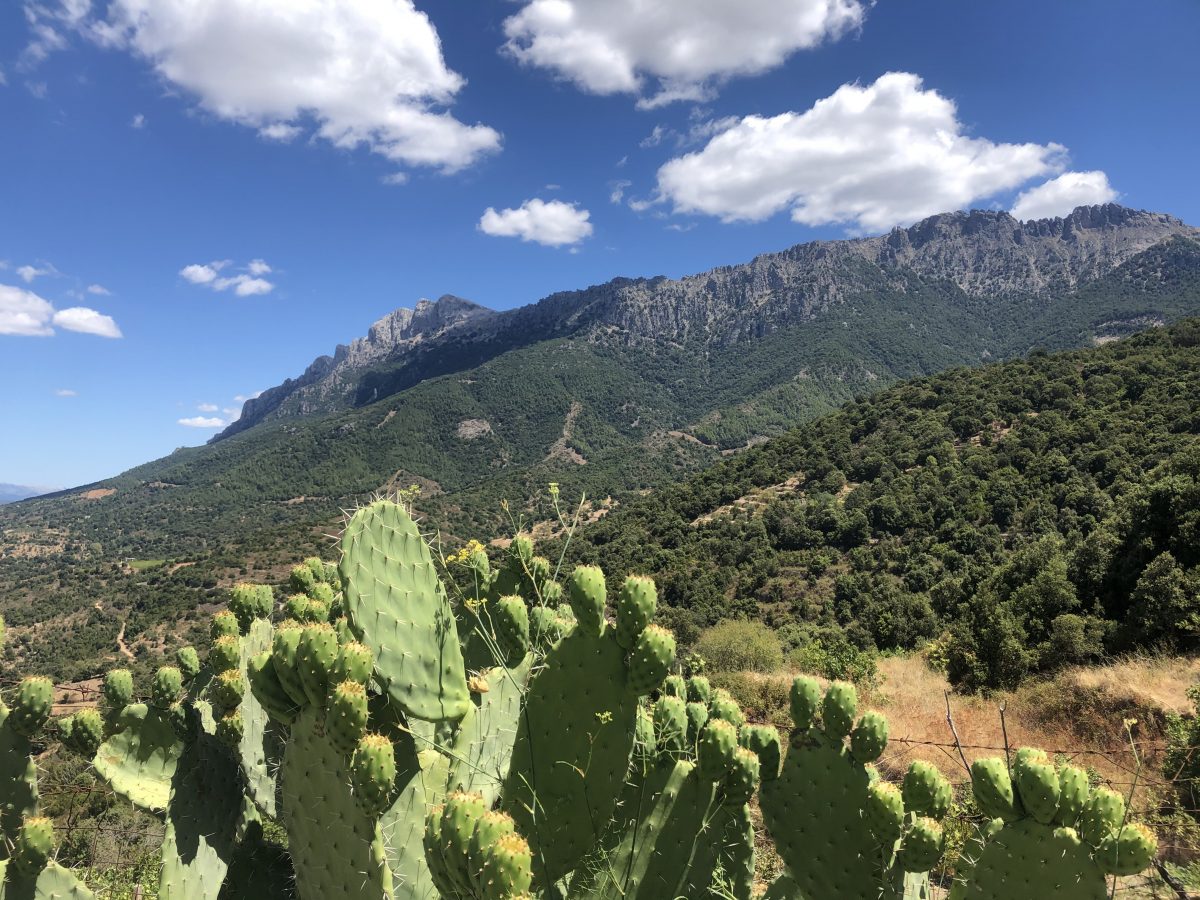
To either side is the sparking Med, visible past the roadside cacti and bamboo, the spreading plains with their tiny hamlets and dry riverbeds. A constant breeze keeps you cool, except during the toughest climbs, when you’ll need as much water as you can carry.
On a 178km ride around this ferocious stony explosion, I climbed almost 3000m and saw no more than six or seven other cyclists. Definitely worth a look.
The post Sardinia bike tour appeared first on David Nicholson.
]]>The post Ironman 70.3 Turkey - delightful madness appeared first on David Nicholson.
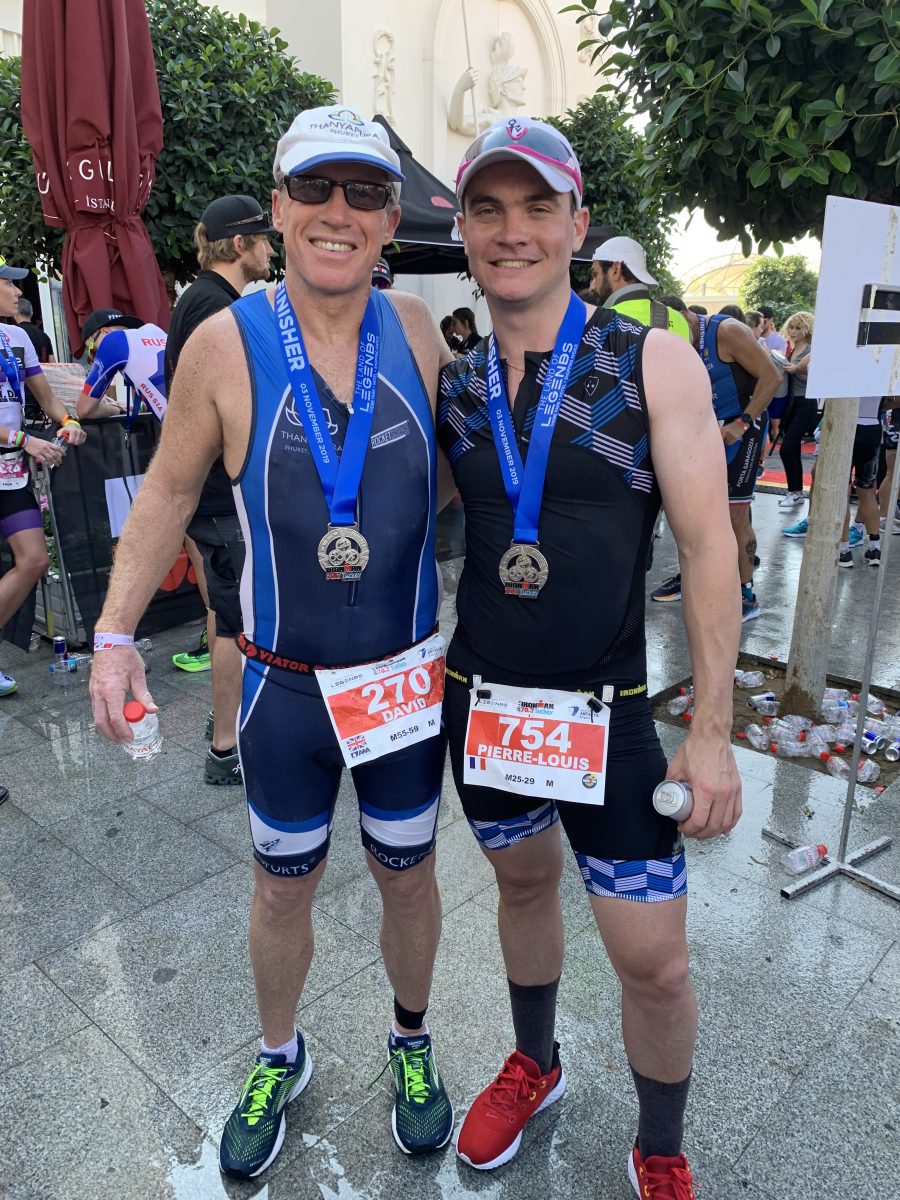
]]>Ironman 70.3 Turkey’s finish line is in the middle of a massive Disney-like theme park, resort and shopping mall known as the Land of Legends, complete with canals and lakes, bridges and fountains.
All around are some of Europe’s swishest golf courses along the Turkish Riviera, just to the east of Antalya.
The sea was warm and calm: ideal for a fast swim. I came out in 36 minutes.
The roads were flat and smooth, ideal for fast bike times. I finished in 2 hours 32 minutes, my best result for the distance by 5 minutes.
The run course wound through and around the resort and shopping mall, which was also good for fast times, as long as you could manage the searing heat.
I sped down the finish shoot in 5 hours 29 minutes total, a new personal best.
It was a lovely way to end a season in which I’d competed for Great Britain, finished two of the world’s hardest Ironman races (Lanzarote and Wales) and made my first podium – third place in Challenge Gran Canaria.
The post Ironman 70.3 Turkey - delightful madness appeared first on David Nicholson.
]]>The post San Francisco - breaking into Alcatraz appeared first on David Nicholson.
]]>It was a tougher assignment than I’d anticipated. Three bullish sales agents took turns persuading us to sign up, sometimes using flattery and sweet-talking, sometimes becoming almost threatening. It was a good-cop bad-cop routine, aimed at lowering out defences.
We held out, repeating “We need more time to think about it” as a suspect might say “no comment” until they finally gave in. We could break in to Alcatraz!
It was a magical, surreal journey and visit, with a beautifully-curated soundtrack on the headphones you’re given, featuring the words of prisoners, guards, historians, experts, with eerie atmospherics. The place itself looked superbly ominous and almost sentient, a giant ship made of granite, sailing towards freedom.
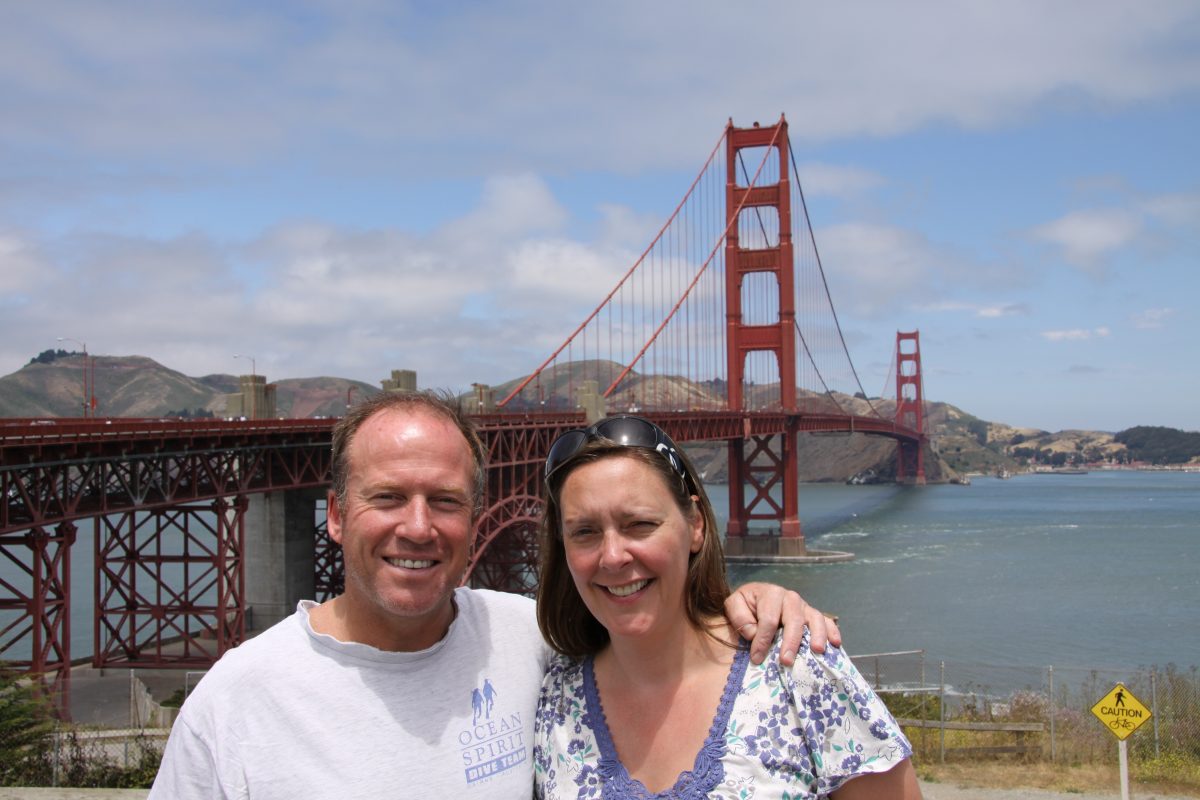
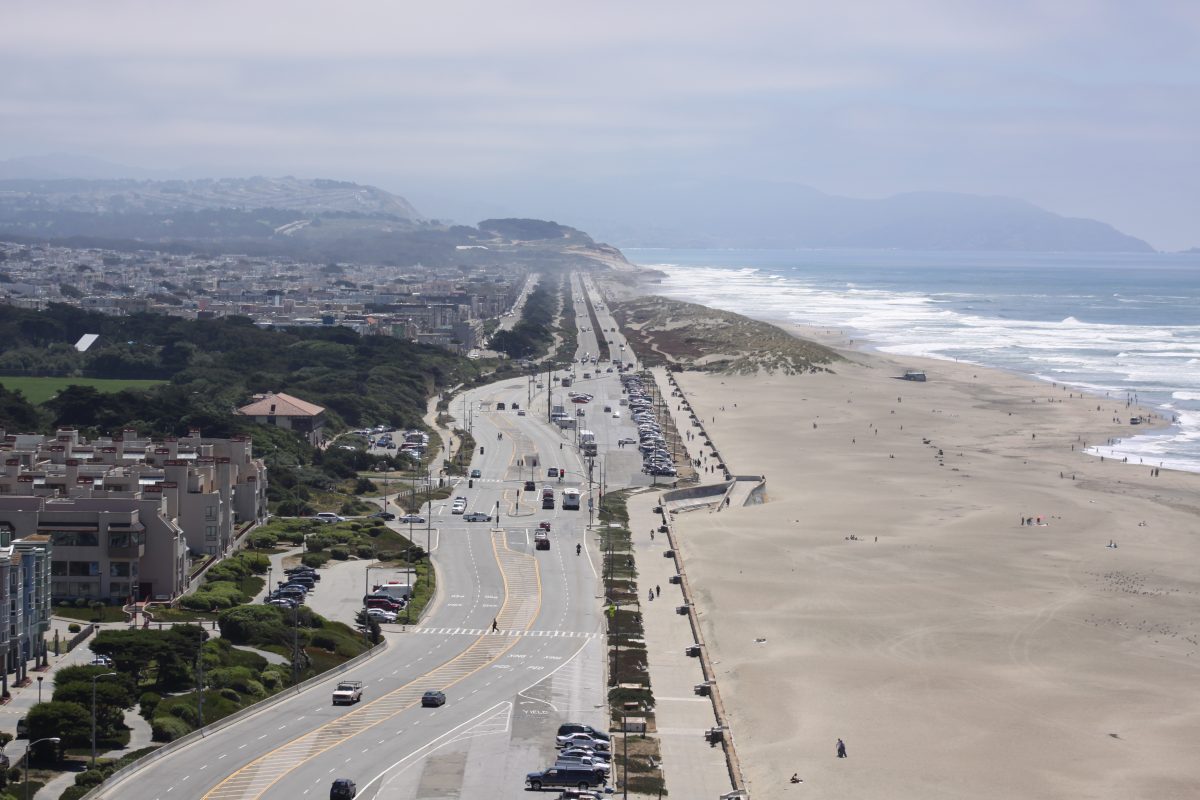
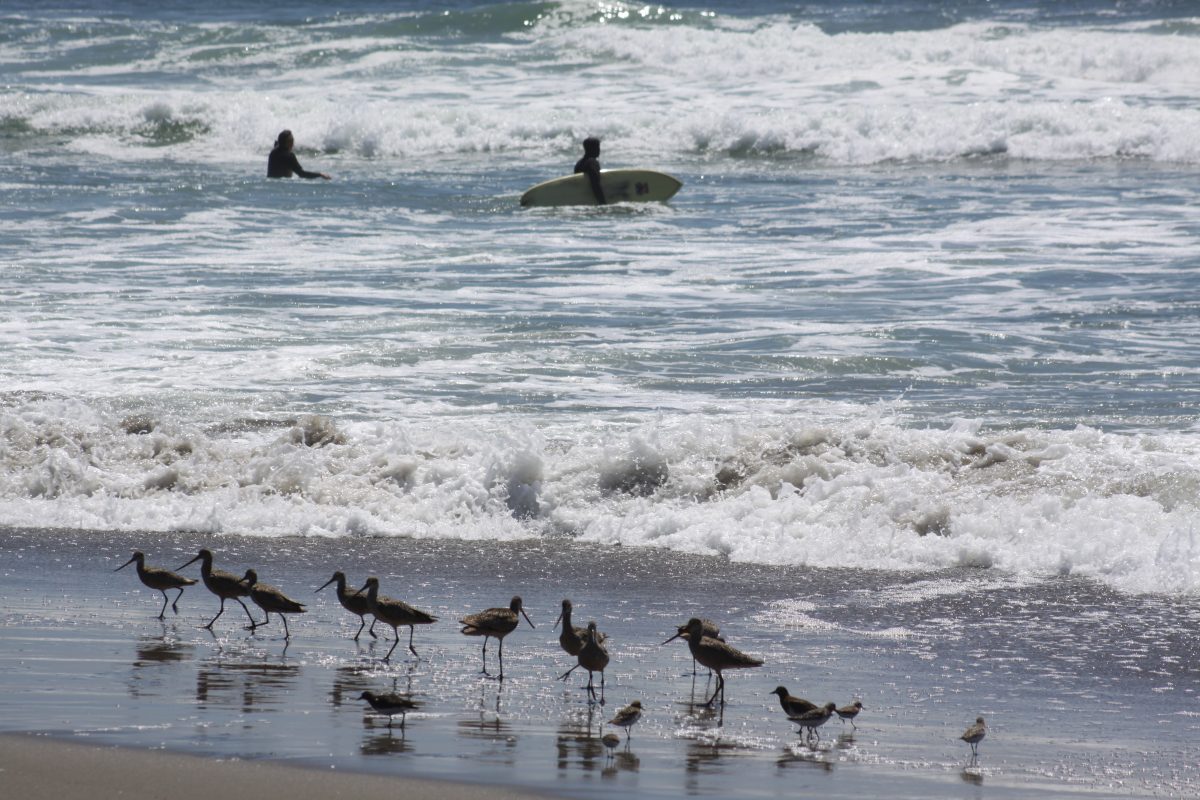
The experience stayed in our hearts for days afterwards, as we wandered through this intoxicating city.
The post San Francisco - breaking into Alcatraz appeared first on David Nicholson.
]]>The post Morocco - interviewing Richard Harris in Ouarzazate appeared first on David Nicholson.
]]>So when I suggested interviewing the actor Richard Harris in Morocco, where he was playing the title role in a biblical epic Abraham, they said ‘Sure.’ I paid a visit to the cash office in Wapping to pocket a few hundred quid in expenses and booked my flights.
Harris was holed up in Ouarzazate, on the cusp of the Sahara, at a film studio. Outdoor scenes could double for the Middle East: Outside the small town there were barely any signs of human life.
I hired a car and driver in Marrakesh and we set off through the Atlas Mountains, his ancient vehicle creaking up the hills. The wrecks of cars and trucks littered the roadsides, which was ominous.
At the film studio there was drama straight away. Maximilian Schell, playing Pharaoh, stormed off set and drove away in a cloud of dust. The producers had asked him to shave his chest to look like the smooth-skinned hieroglyph images and he refused.
Back at his hotel, Richard Harris treated me to an hour and a half of reminiscence, philosophy, industry gossip and sports chat. He had the most extensive collection of pills and potions I’ve ever seen, warding off heart conditions, high blood pressure and goodness knows what else. Despite decades of celebrity, he was remarkably open and engaging. I really enjoyed his company.
When I cheekily quoted Steven Berkoff writing about hellraising actors who give up drink (as he had) and then boast about it “as though they’ve climbed Everest”, he let loose a furious volley of invective, making me concerned that I’d provoke some medical emergency. But he eventually calmed down and returned to his anecdotes.
The next day, my driver kept chivvying me to leave and go back to Marrakesh. “What’s the hurry?” I asked, since I was paying him for the whole day and it was still morning. He wouldn’t say, but was insistent, so we set off.
It turned out that his car had no lights, so he needed to get back before dark, or else we’d be adding to the roadside wrecks. We made it just in time and I set off into the souk to spend my expenses money on some leather trousers and cowboy boots.
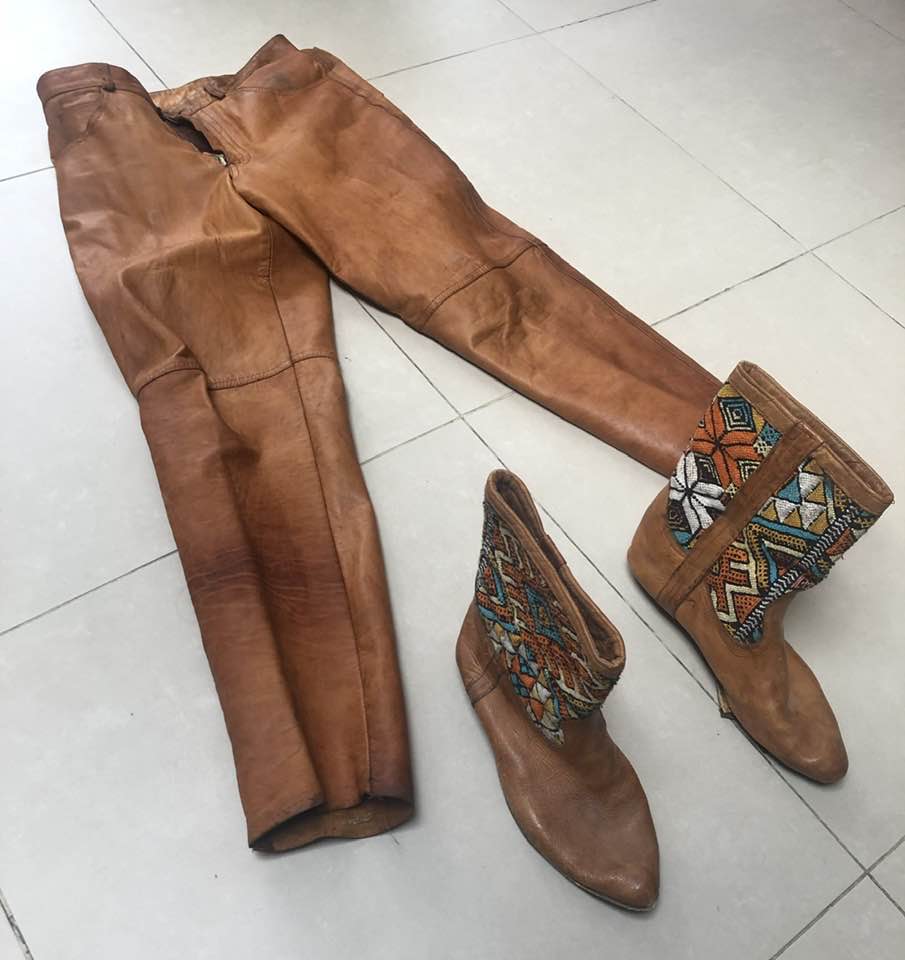
The post Morocco - interviewing Richard Harris in Ouarzazate appeared first on David Nicholson.
]]>The post Ironman Cozumel - hot and speedy appeared first on David Nicholson.
]]>Caressed by the Caribbean Sea, fringed by palms, blessed with golden beaches, Cozumel is Mexico’s treasure island, just a short hop from Playa del Carmen on the Yucatan Peninsula.
At some exotic race locations, I’m torn between sport and leisure. Why not sit by the pool and order a cocktail?
Somehow Cozumel was different. Riding on its flat, smooth roads was sheer pleasure. Swimming in its crystal waters could not have been nicer. Even running along its hot, busy streets, lit by the day-glow shirts of American tourists, was invigorating.
After a couple of weeks on the island in preparation, I was absolutely in the mood for the race. I had the best feeling about it.
Diving into the sea from a jetty, I sped northwards along the coast, swept along by an unseen current. I knew it existed, but couldn’t feel a difference. What was different was my time: 1 hour 3 minutes – way faster than my regular swim. I leapt out of the water with a big smile and sprinted into transition.
Whoosh! Off I rode on the first of three laps of the island, overtaking competitors by the dozen, feeling a brief gust as former Ironman World Champion Sebastian Kienle breezed past at 50kmph. The ride was like one long video game, like the opening credits of Star Wars, stars and planets fizzing past.
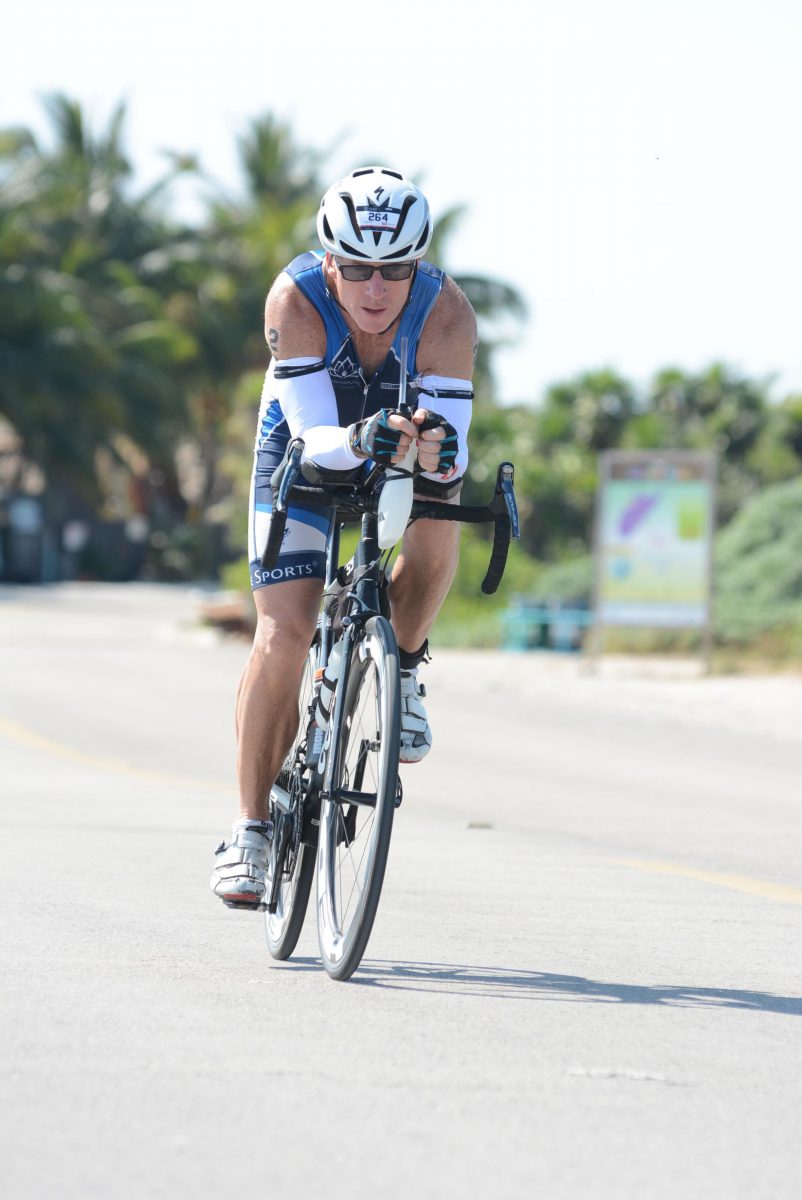
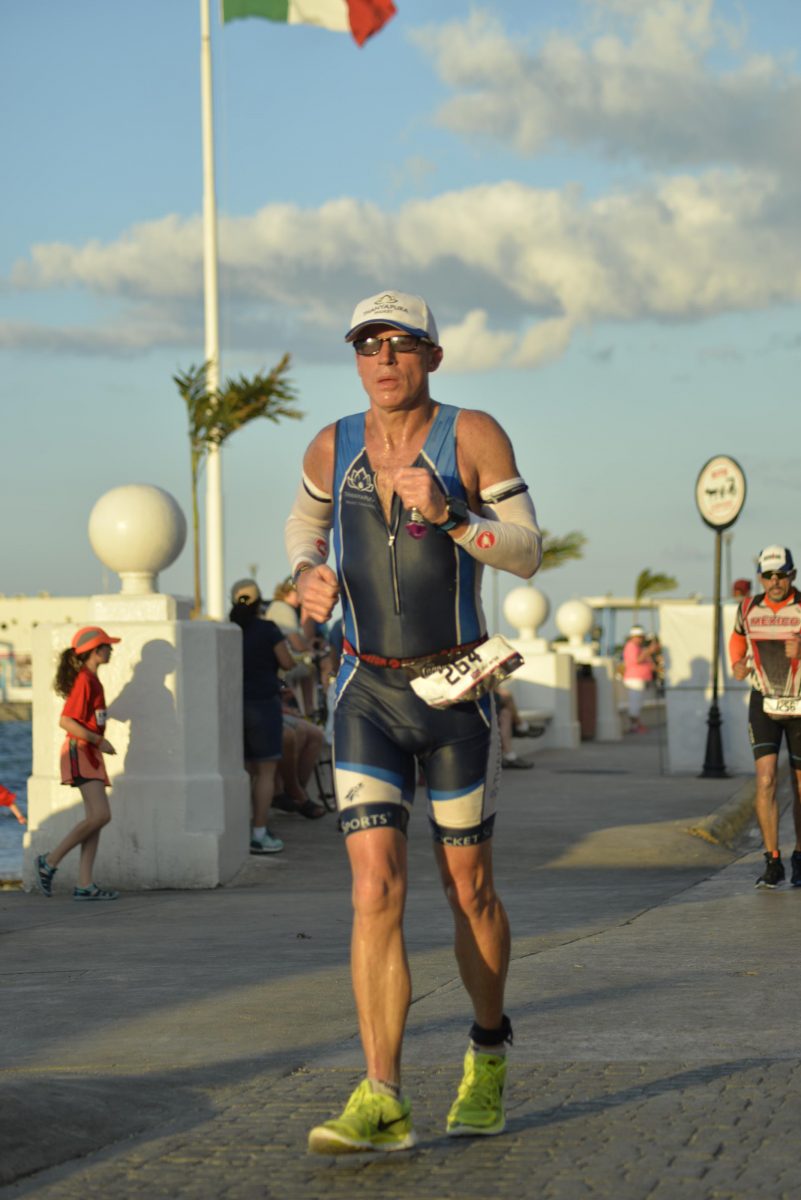
On the run I set off like a greyhound and carried on at high speed for the first 20km, only slowing as my glucose reserves depleted and the heat began to eat into my bones. I’d promised my son Raffy that I’d finish in under 12 hours – could it really happen?
Spurred on by coke, coffee, gels and adrenaline, I raced down the promenade for the last time and finished in 11 hours 49 minutes and 59 seconds – a personal best by 53 minutes.
Cozumel ma corazon.
The post Ironman Cozumel - hot and speedy appeared first on David Nicholson.
]]>The post Ironman 70.3 Oman - a Middle Eastern welcome appeared first on David Nicholson.
]]>Oman is a natural candidate for this kind of glasnost, having emerged under the leadership of the late Sultan Qaboos bin Said from an insular backwater to an engaging, outward-looking, progressive semi-democracy.
Ironman 70.3 Oman had its first edition in 2019 and here we were, lining up on the beachfront for number two, just as Covid began its devastating global rampage. We chatted nervously with a friend from Singapore about the situation over there – before any cases had been reported in Europe.
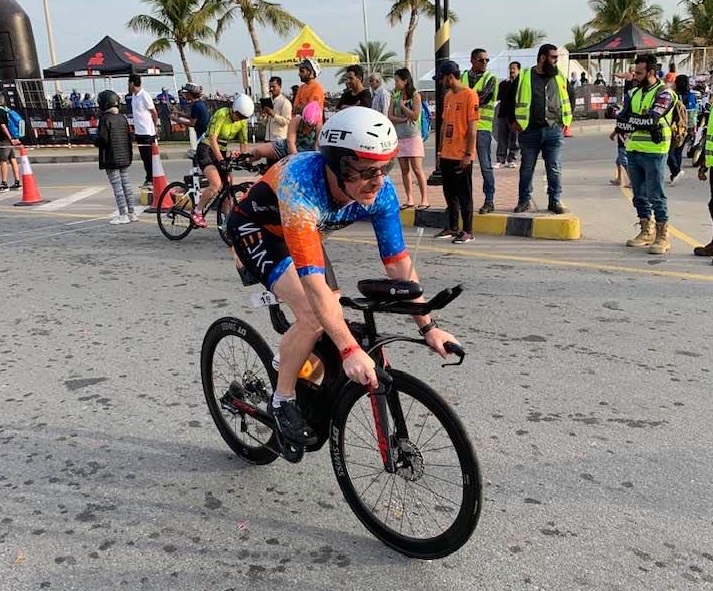
I had a fantastic swim, best-ever time, in the calm gulf waters, then raced through the streets of Muscat on my new Cervelo P3X, reaching 36kmph on the flat, which was a thrill. After some challenging hills and sweeping descents through the desert, we took to the baking streets of the city for the 21km run. Despite modelling myself on pro triathlete Lionel Sanders, complete with handlebar moustache, I faded towards the end of the run. Still ended up with an OK finish time of 5 hours 40 minutes.
Loved the race, loved the place, loved meeting people like Kimberley and Ken Dittrich from Abu Dhabi – she’s a triathlete and he’s a senior hospital consultant – and Clare Louise and Sean Farrell – she’s one of the strongest women triathletes and he’s an ex-soldier and rugby player who is the personification of endurance.
We all sat on cushions for the celebration dinner, eating spectacularly good food, grateful that the sport we love so much had come to this enchanting spot.
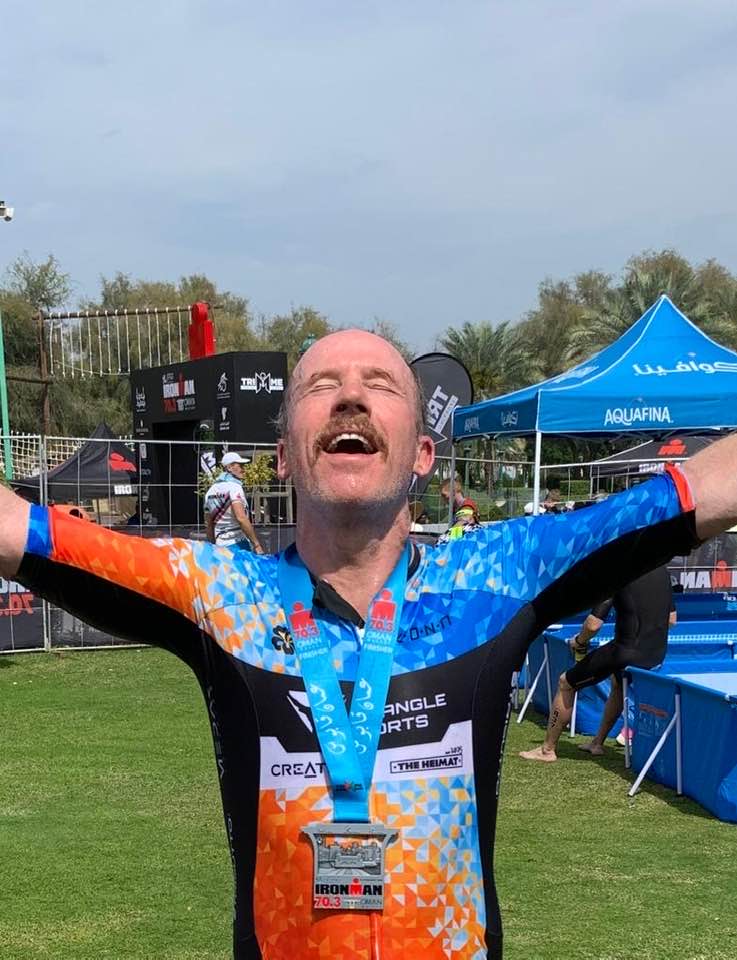
The post Ironman 70.3 Oman - a Middle Eastern welcome appeared first on David Nicholson.
]]>